

OBEDIENCE TRAINING
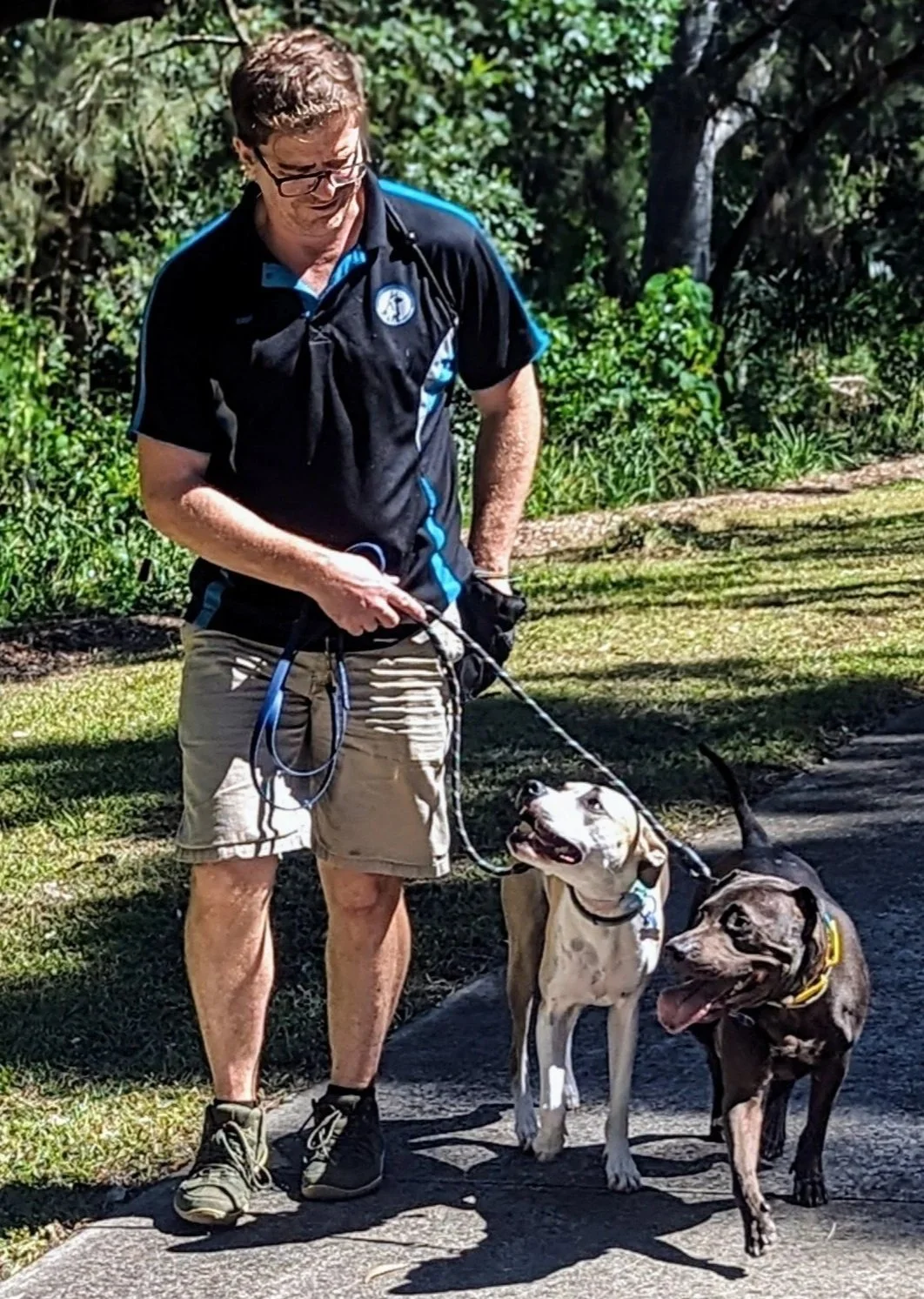
Building Reliable, Real-World Skills
Obedience training isn’t just about teaching commands.
For many dogs, obedience breaks down because the systems that support learning are unclear or inconsistent.
At Candid Dog Training, obedience work is delivered one-on-one and built on strong foundations first. We prioritise clarity, motivation, and consistency before progressing into specific skills.
WHY OBEDIENCE OFTEN BREAKS DOWN

Many owners seek obedience training because:
Their dog listens at home but not outside
Loose lead walking turns into a constant tug of war
Recall works until distractions appear
Commands require repetition and feel ignored

These issues are rarely about a dog “not knowing” a behaviour.
They are usually the result of gaps in:
Motivation and reinforcement access
Clear communication and feedback
Handling and leash mechanics
Emotional regulation and arousal
Without these foundations, obedience becomes unreliable and frustrating.
HOW OBEDIENCE TRAINING FITS INTO THE PROCESS
-
1. Assessment
Training begins with an in-depth assessment to understand learning history, environment, motivation, and handling needs.
-
2. Training Foundations (Required)
All dogs complete Training Foundations before obedience skills are developed.
This stage builds the systems required for reliable learning.
For dogs without behavioural concerns, obedience skill development often begins during Foundations and continues to build from there.
-
3. Skill Development
Once foundations are established, dogs may progress into practical obedience work focused on real-world reliability.
Progression is based on readiness, not rushing.
WHAT OBEDIENCE TRAINING FOCUSES ON

Obedience training may include work on:
Loose lead walking
Recall development
Impulse control through sit and down skills
Everyday handling and reliability
Real-world proofing in appropriate environments
The emphasis is on functional skills that improve daily life, not novelty behaviours or tricks.
WHO THIS TRAINING IS FOR
This pathway is suitable for:
Adolescent and adult dogs
Dogs with inconsistent or unreliable obedience
Owners seeking structure and clarity rather than quick fixes
No prior formal training is required. All dogs begin by building the foundations that make obedience possible.
REALISTIC EXPECTATIONS

Obedience is not a one-time achievement.
It develops through clear communication, consistent handling, and appropriate progression.
Training focuses on:
Reliability over perfection
Understanding over repetition
Skills that hold up outside controlled environments
GETTING STARTED
From there:
Attend the assessment
Complete Training Foundations
Progress into obedience skill development when appropriate
All obedience training begins with an initial assessment.